


សម្ភារៈស្ដង់ដារឬផ្ទាល់ខ្លួន
តើមួយណាល្អជាងសម្រាប់គម្រោងរបស់អ្នក?
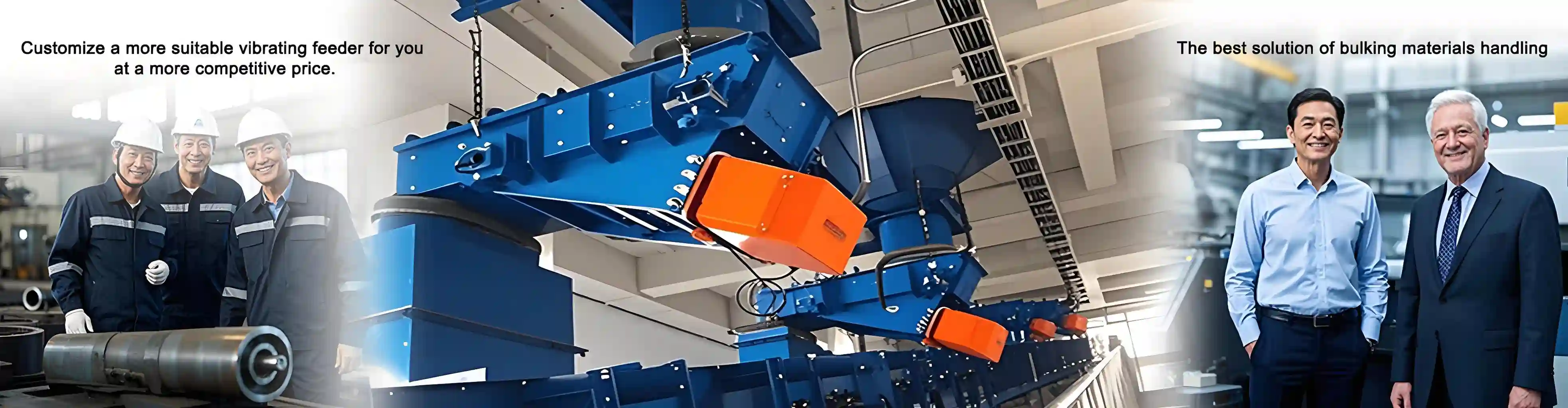
ក្នុងនាមជាប្រភេទឧបករណ៍ផ្គត់ផ្គង់សម្ភារៈភាគច្រើន ឧបករណ៍ផ្តល់ចំណីដែលញ័រ ត្រូវបានគេប្រើប្រាស់យ៉ាងទូលំទូលាយនៅក្នុងឧស្សាហកម្មដូចជា ម្ហូបអាហារ ការជីកយករ៉ែ ធ្យូងថ្ម និងសម្ភារៈសំណង់ សម្រាប់ការដឹកជញ្ជូនវត្ថុធាតុដើមភាគច្រើន ដោយសារតែគុណសម្បត្តិរបស់វាដូចជា ប្រសិទ្ធភាពខ្ពស់ សំឡេងរំខានទាប ប្រឆាំងនឹងការស្ទះ ទំហំ/ប្រេកង់អាចលៃតម្រូវបាន និងមិនចាំបាច់ថែទាំ។
ដើម្បីបង្កើនប្រសិទ្ធភាពផលិតកម្មរបស់រោងចក្រដោយប្រើប្រាស់ឧបករណ៍ចំណីរំញ័រ ជាដំបូងយើងត្រូវយល់ពីរចនាសម្ព័ន្ធរបស់ឧបករណ៍ចំណីរំញ័រ។ បន្ទាប់ពីតម្រៀបតម្រូវការរបស់យើងយ៉ាងច្បាស់ហើយ យើងអាចទទួលបានឧបករណ៍ចំណីរំញ័រផ្ទាល់ខ្លួន។
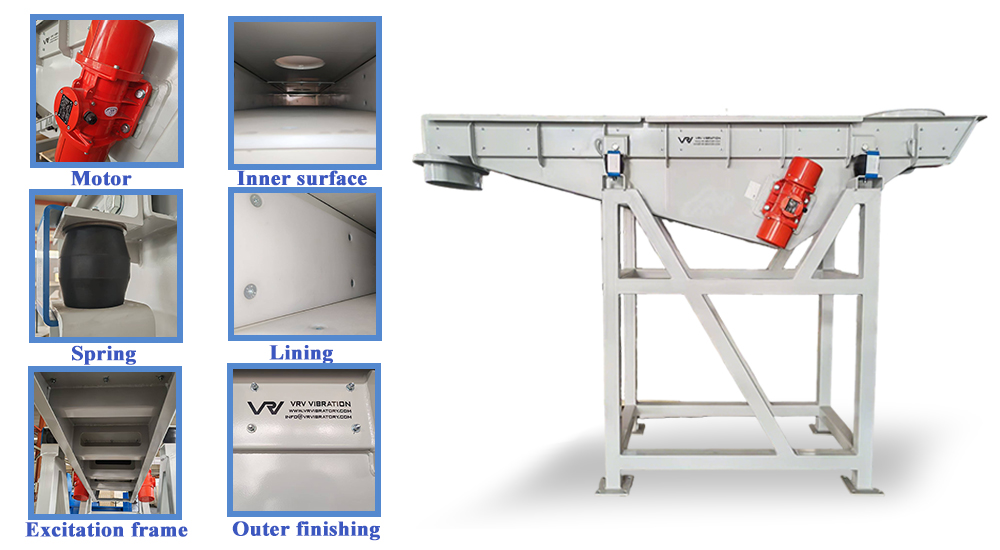
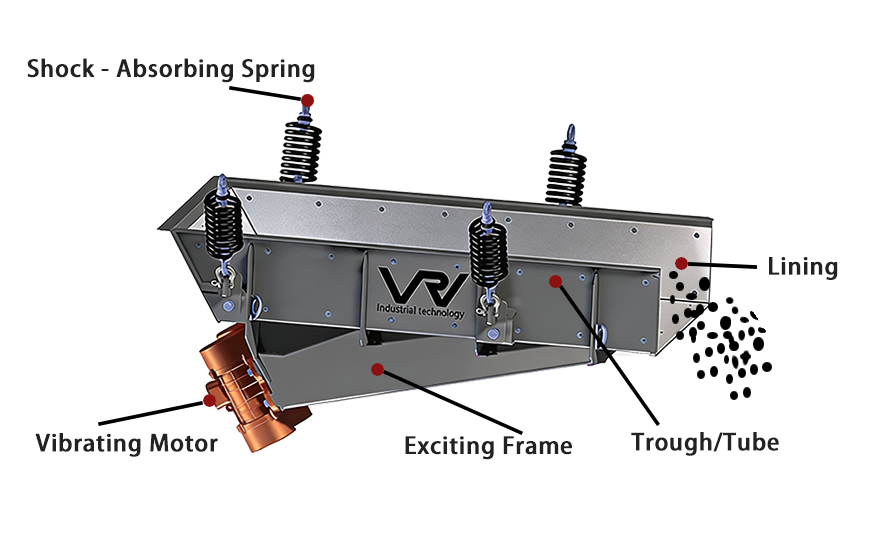
រចនាសម្ព័ន្ធរបស់ឧបករណ៍ចំណីរំញ័រគឺសាមញ្ញណាស់ ដែលភាគច្រើនផ្សំឡើងដោយម៉ូទ័ររំញ័រ ស្នប់/បំពង់ដឹកជញ្ជូន ស៊ុមរំញ័រ ជើងទ្រ ស្ព្រីង ស្រទាប់ខាងក្នុង ជាដើម។ ដើម្បីកំណត់ថាតើឧបករណ៍ចំណីរំញ័រមានគុណភាពល្អឬអត់ រឿងសំខាន់បំផុតគឺត្រូវពិនិត្យមើលការជ្រើសរើស និងការរចនាម៉ូទ័ររំញ័រ និងស៊ុមរំញ័រ។ ក្រុមហ៊ុនផលិតឧបករណ៍ចំណីរំញ័រត្រូវគណនាដោយផ្អែកលើប៉ារ៉ាម៉ែត្រដូចជាសមត្ថភាពគ្រប់គ្រង ដង់ស៊ីតេភាគច្រើន និងទំហំនៃវត្ថុធាតុដើម ដើម្បីជ្រើសរើសម៉ូទ័ររំញ័រដែលសមរម្យ និងរចនាមុំ ប្រវែង ជាដើម នៃស៊ុមរំញ័រ។
ម៉ូទ័ររំញ័រ
ម៉ូទ័ររំញ័រគឺជាស្នូលថាមពលរបស់ឧបករណ៍ចំណីរំញ័រ។ ជាធម្មតាវាប្រើប្រាស់រចនាសម្ព័ន្ធប្លុកអេក្វាទ័រដែលមានអ័ក្សទិន្នផលពីរ។ ដោយការកែតម្រូវមុំរវាងប្លុកអេក្វាទ័រ ទំហំនៃកម្លាំងរំភើបអាចត្រូវបានផ្លាស់ប្តូរ។ បន្ទាប់ពីបើករួច វាជំរុញឧបករណ៍ឱ្យបង្កើតរំញ័រទិសដៅ ដោយហេតុនេះជំរុញសម្ភារៈឱ្យផ្លាស់ទីទៅមុខតាមចង្អូរ។ ល្បឿនបង្វិល និងប៉ារ៉ាម៉ែត្រកម្លាំងរំភើបរបស់វាកំណត់ដោយផ្ទាល់នូវប្រសិទ្ធភាពដឹកជញ្ជូន និងស្ថេរភាពទំហំរបស់ឧបករណ៍ចំណី។
លូ/បំពង់ដឹកជញ្ជូន
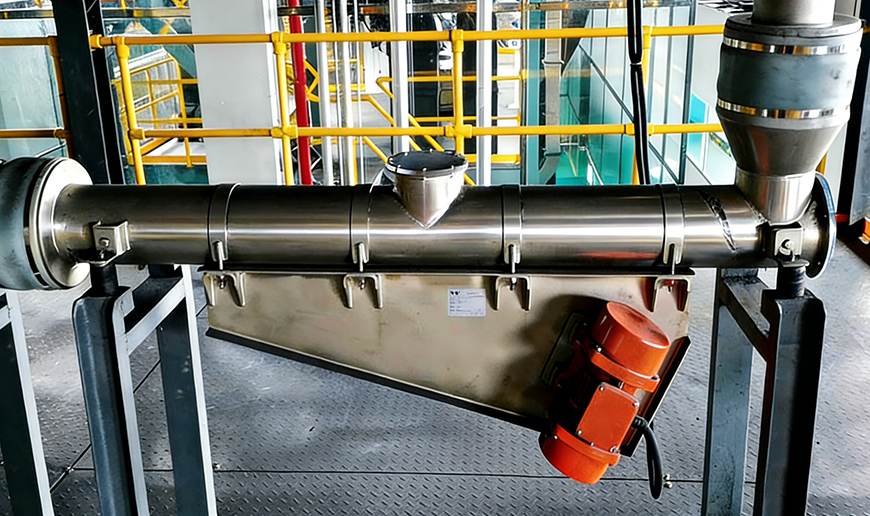
ស្នូកដឹកជញ្ជូន (ឬបំពង់ដឹកជញ្ជូន) គឺជាបណ្តាញដឹកជញ្ជូនសម្ភារៈរបស់ឧបករណ៍ចំណីរំញ័រ។ តួស្នូកភាគច្រើនមានរចនាសម្ព័ន្ធរាងស្នូក ឬរាងចាន ខណៈដែលបំពង់គឺសមរម្យសម្រាប់សេណារីយ៉ូដឹកជញ្ជូនបិទជិតនៃម្សៅ និងភាគល្អិតតូចៗ។ រូបរាង ប្រវែង និងមុំទំនោររបស់វាត្រូវរចនាឡើងតាមលក្ខណៈសម្ភារៈ និងតម្រូវការដឹកជញ្ជូន។ អំឡុងពេលប្រតិបត្តិការ វាឆ្លើយតបទៅនឹងប្រព័ន្ធរំញ័រ ហើយសម្រេចបាននូវការដឹកជញ្ជូនជាបន្តបន្ទាប់តាមរយៈការបោះ ឬរអិលនៃសម្ភារៈ។ តួស្នូកមួយចំនួនត្រូវបានរចនាឡើងដើម្បីងាយស្រួលក្នុងការដំឡើង និងថែទាំ។
រំញ័រ - ស៊ុមគួរឱ្យរំភើប
ស៊ុមរំញ័រ - រំភើបគឺជាសមាសធាតុបញ្ជូនកម្លាំង និងការតភ្ជាប់របស់ឧបករណ៍ចំណីរំញ័រ។ ជាទូទៅវាត្រូវបានភ្ជាប់យ៉ាងរឹងមាំទៅនឹងម៉ូទ័ររំញ័រ និងចង្អូរដឹកជញ្ជូន។ មុខងាររបស់វាគឺដើម្បីបញ្ជូនកម្លាំងរំភើបដែលបង្កើតដោយម៉ូទ័ររំញ័រទៅគ្រប់ផ្នែកទាំងអស់នៃចង្អូរដឹកជញ្ជូនឱ្យស្មើៗគ្នា ដោយធានាថាតួចង្អូរទាំងមូលរំញ័រស្របគ្នា និងជៀសវាងការប្រមូលផ្តុំភាពតានតឹងក្នុងតំបន់។ ក្នុងពេលជាមួយគ្នានេះ វាក៏អាចដើរតួនាទីក្នុងការជួសជុលម៉ូទ័ររំញ័រ ដោយធានាបាននូវស្ថេរភាពនៃការដំឡើងម៉ូទ័រក្រោមលក្ខខណ្ឌរំញ័រប្រេកង់ខ្ពស់។
ការគាំទ្រ
ជើងទ្រគឺជាគ្រឹះជើងទ្រ និងដំឡើងរបស់ឧបករណ៍ចំណីរំញ័រ។ វាត្រូវបានប្រើជាចម្បងដើម្បីជួសជុលឧបករណ៍នៅលើគ្រឹះ ឬស៊ុម។ ទម្រង់រចនាសម្ព័ន្ធរបស់វាត្រូវផ្គូផ្គងនឹងទម្ងន់ និងលក្ខណៈរំញ័រទាំងមូលរបស់ឧបករណ៍ចំណី។ ជាធម្មតាវាត្រូវបានរចនាឡើងជារចនាសម្ព័ន្ធដែកផ្សារ ឬដែកវណ្ណះ ដែលមានកម្លាំង និងភាពរឹងគ្រប់គ្រាន់ដើម្បីទប់ទល់នឹងបន្ទុកថាមវន្តក្នុងអំឡុងពេលប្រតិបត្តិការឧបករណ៍។ ជើងទ្រខ្លះក៏អាចលៃតម្រូវកម្ពស់ និងមុំទំនោរដើម្បីបំពេញតាមតម្រូវការដំឡើង និងដឹកជញ្ជូនផ្សេងៗគ្នា។
រដូវផ្ការីក
ស្ព្រីងគឺជាសមាសធាតុសំខាន់សម្រាប់ការញែករំញ័រ និងរក្សាលំនឹងរំញ័ររបស់ឧបករណ៍ចំណីរំញ័រ។ វាត្រូវបានដំឡើងនៅចន្លោះទ្រ និងស៊ុមរំញ័រ - រំញ័រ (ឬស្នប់ដឹកជញ្ជូន) ហើយភាគច្រើនត្រូវបានបែងចែកជាប្រភេទដូចជា ស្ព្រីងរាងជាវង់ និងស្ព្រីងកៅស៊ូ។ ក្នុងអំឡុងពេលប្រតិបត្តិការ ស្ព្រីងមិនត្រឹមតែអាចទ្រទម្ងន់ខ្លួនឯងរបស់ឧបករណ៍ប៉ុណ្ណោះទេ ប៉ុន្តែថែមទាំងអាចស្រូបយកថាមពលរំញ័រ កាត់បន្ថយការបញ្ជូនរំញ័ររបស់ឧបករណ៍ទៅកាន់គ្រឹះ ការពារការកើតឡើងនៃសំឡេងរោទ៍ ហើយក្នុងពេលជាមួយគ្នានេះ តាមរយៈការខូចទ្រង់ទ្រាយយឺតរបស់វា ជួយរក្សាទំហំស្ថេរភាពនៃប្រព័ន្ធរំញ័រ។
ស្រទាប់ខាងក្នុង
ស្រទាប់ខាងក្នុងគឺជាសមាសធាតុការពារ និងធន់នឹងការពាក់ ដែលដាក់នៅលើជញ្ជាំងខាងក្នុងនៃស្នប់ដឹកជញ្ជូន។ សម្ភារៈរបស់វាភាគច្រើនជាបន្ទះដែកធន់នឹងការពាក់ ប៉ូលីយូរីថេន កៅស៊ូ និងសម្ភារៈធន់នឹងការពាក់ និងធន់នឹងការប៉ះទង្គិចផ្សេងទៀត។ មុខងាររបស់វាគឺដើម្បីការពារតួស្នប់ដឹកជញ្ជូនពីការកកិត និងការពាក់ដោយផ្ទាល់នៃវត្ថុធាតុដើម និងពន្យារអាយុកាលសេវាកម្មរបស់តួស្នប់។ លើសពីនេះ ស្រទាប់ខាងក្នុងនៃវត្ថុធាតុដើមផ្សេងៗគ្នាក៏អាចកែតម្រូវមេគុណកកិតរវាងវត្ថុធាតុដើម និងតួស្នប់ បង្កើនប្រសិទ្ធភាពល្បឿនដឹកជញ្ជូន និងភាពរលូននៃវត្ថុធាតុដើម និងការពារវត្ថុធាតុដើមពីការជាប់នឹងជញ្ជាំងស្នប់។
VRV ដែលជាអ្នកជំនាញ
ក្រុមហ៊ុនផលិតចំណីរំញ័រ
នៅប្រទេសចិន អ្នកអាចប្ដូរតាមបំណងឧបករណ៍ចិញ្ចឹមសត្វរំញ័រតាមតម្រូវការរបស់អ្នក។ ទាក់ទងមកយើងខ្ញុំដើម្បីទទួលបានសម្រង់តម្លៃល្អបំផុត។
ហៅមកយើង :
008617855911791 អ៊ីមែល : sales@vrvibratory.com


 បណ្តាញ ipv6 ត្រូវបានគាំទ្រ